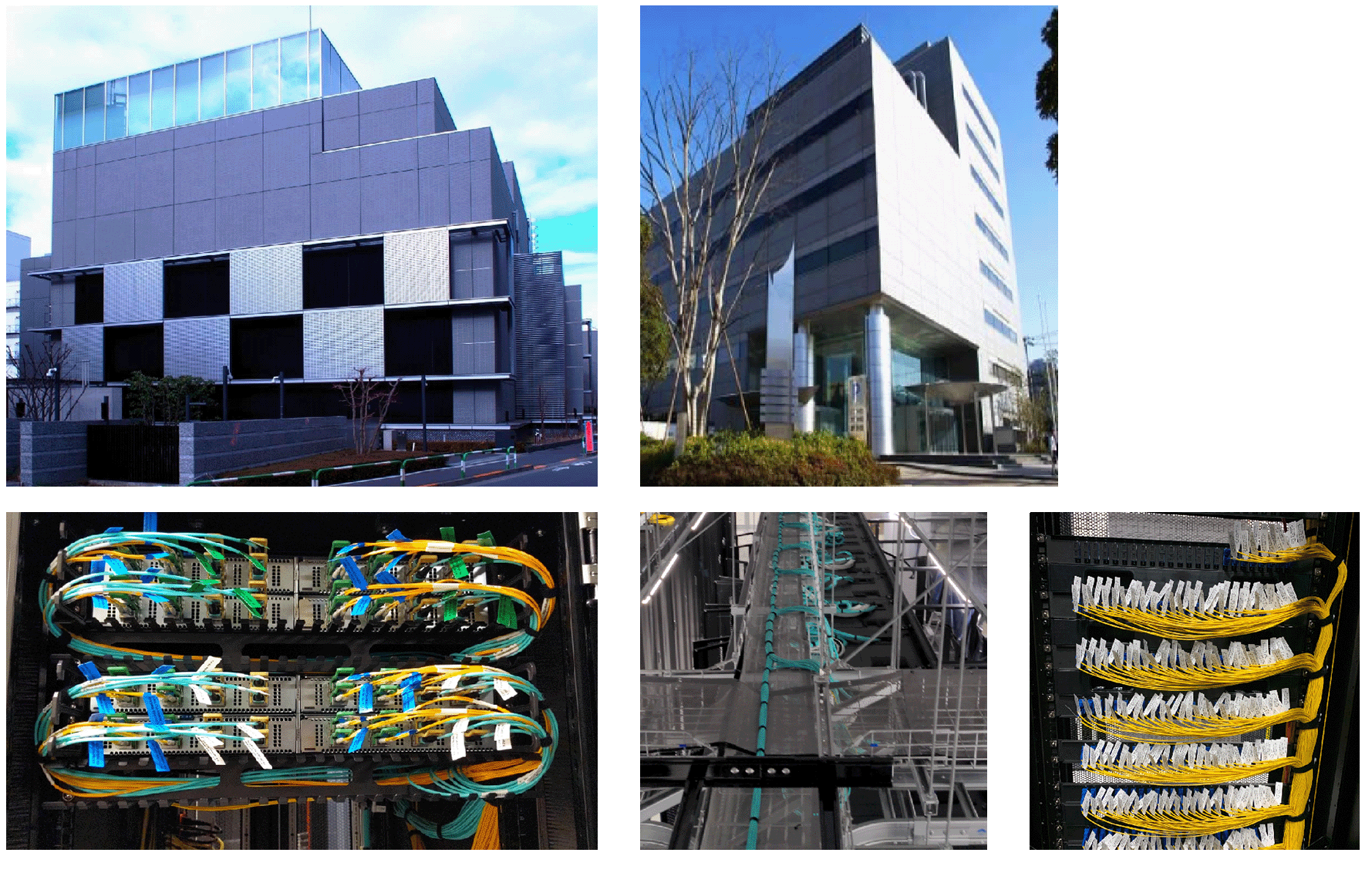



- A localized IT cabling and integration team capable of rapidly responding to large-scale network cabling projects and integrated system commissioning.
- Standardized and well-defined cabling processes deliver efficient, high-quality IT structured cabling implementation services.
- Extensive experience with various network topologies and deployments, including cloud computing, big data, storage, and GPU clusters.

Localized IDC Rack Leasing

Equipment installation and structured cabling

Network and dedicated line access and commissioning

Localized operations and maintenance services
Changes and Challenges
As AI model parameters continue to grow, network communication performance becomes a limiting factor. The computing efficiency of large-scale distributed GPU clusters struggles to achieve linear scaling, posing significant challenges to the development of intelligent computing centers.
Large-Scale Networking Requirements
Large model training and distributed parallel computing require networks that support clusters ranging from thousands to even hundreds of thousands of accelerator cards.

High Network Performance Requirements
Inter-node communication accounts for an increasing proportion of large model workloads. Bandwidth capacity and bandwidth utilization have become key network metrics affecting training efficiency.

High Training Continuity Requirements
With large network scale and heavy training workloads, insufficient reliability can prolong training cycles and reduce overall training efficiency.

Slow Deployment and Difficult Operations
With tight project schedules, any network failure during training can impact the progress of the entire training task.
Network Solutions
Meeting the Training Requirements of AI Models
Hundred-thousand-card clusters
Ultra-large-scale network architecture
- Multi-plane networking architecture supporting flexible, on-demand deployment
- Three-tier networking supports clusters of up to 100,000 accelerator cards
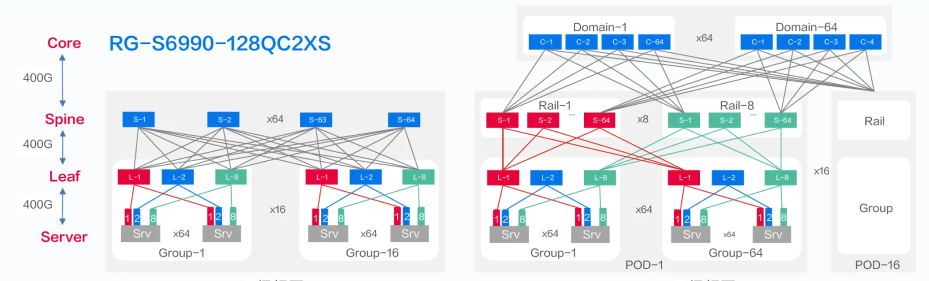
Two-Tier Network Architecture
Two-Tier Network Architecture
400G + 51.2T high-density switches, supporting hundred-thousand-card cluster capability
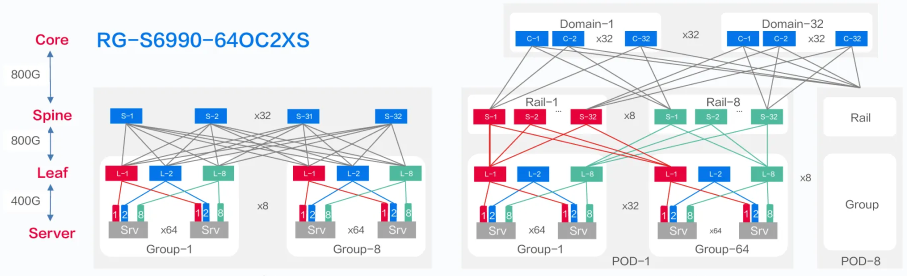
Two-Tier Network Architecture
Two-Tier Network Architecture
800G + 51.2T high-density switches, supporting hundred-thousand-card-scale networking
Ultra-high-throughput networking
Maximum computing performance release
- 400G/800G RoCE lossless network design with low latency and high bandwidth
- Scenario-based load-balancing solutions (RALB / AILB / ENLB) achieving up to 97% bandwidth utilization
RALB
Per-Packet Dynamic Load Balancing
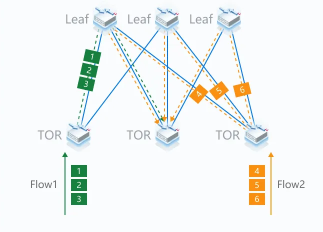
- Bandwidth utilization: 97.6%
- Relies on NIC packet reordering capabilities
AILB
Global Load Balancing
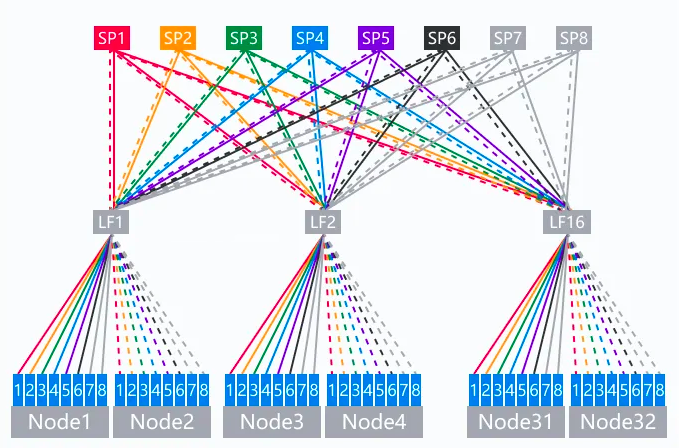
- Optimized for affinity-aware scheduling scenarios
- Bandwidth utilization: 97.6%
- Decouples dependency on endpoint-side capabilities
ENLB
End-to-Network Collaborative Load Balancing
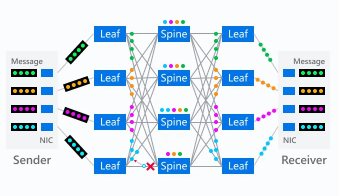
- Optimized for non-affinity scheduling scenarios
- In 4-node LLaMA2-7B training, performance is 10% faster than the per-packet approach
High reliability for training workloads
Run training tasks “end-to-end” without interruption
- Multi-dimensional high-reliability design from NICs, optical modules, and links to switches, ensuring high stability of computing clusters
Supports LPO optical modules, delivering low power consumption and high reliability
高頻度で発生する光モジュール障害に対し、 「事前検知―事中警告―事後予測」による管理を実現
RCCL enables second-level NIC failure recovery, reducing training interruption rates by 90%
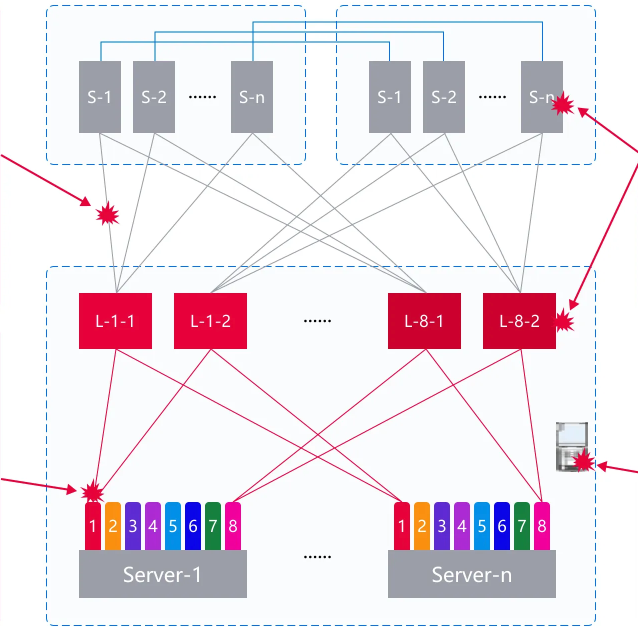
CLOS architecture design enhances device and node redundancy
Self-healing for anomalies such as CPU, flapping, and HAM process failures
High-frequency optical module fault management with “pre-event detection, in-event warning, and post-event prediction”
Simplified deployment and intelligent O&M
Full visibility of resources
- One-click initial deployment, delivering thousand-card clusters within 7 days
- Cloud-based computing power simulation with intelligent performance and ROI analysis
- Visualized monitoring of “network + optical modules + servers” for rapid fault localization, isolation, and recovery
- Adaptive optimization on both network and endpoint sides, reducing technical complexity
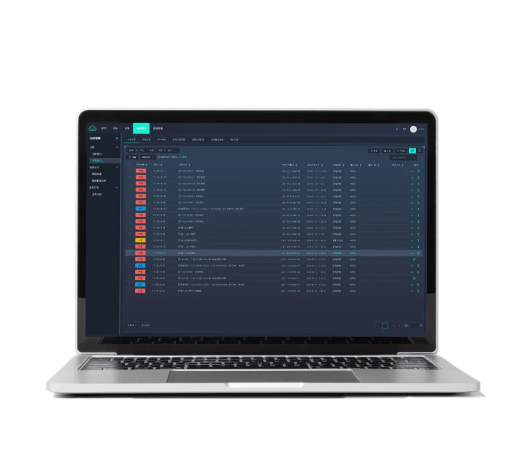
Accurate Network Health Analysis
Proactively detect anomalies with precise visualization of network performance metrics
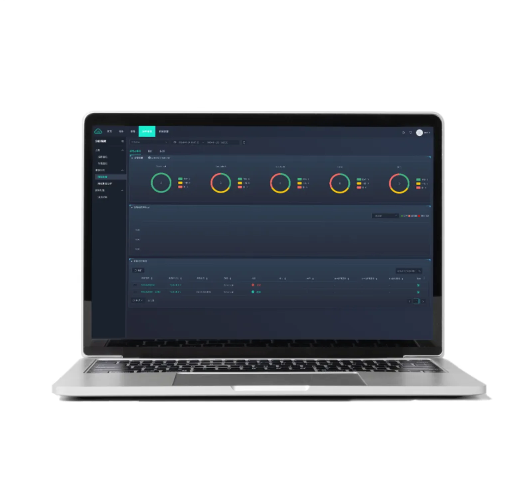
In-Depth Telemetry of Service Metrics
Comprehensive analysis of end-to-end network data based on big data and AI algorithms
The Wi-Fi 6/7 Era Has Arrived — Digital Campuses Face New Challenges
The rapid growth of short-video applications is driving a sharp increase in wired access bandwidth requirements. In the Wi-Fi 6/7 era, bandwidth bottlenecks in traditional campus bearer networks are becoming increasingly evident.
Widespread Wireless Endpoints
A shift from “wired-centric” to “wireless-first” networking. Smartphones, tablets, IoT devices, and other endpoints require flexible access, demanding seamless coverage and smooth roaming without interruption.

Surging Demand for High-Bandwidth Applications
Applications such as VR-based education, 4K/8K video conferencing, cloud desktops, and industrial data backhaul require low latency and high bandwidth support. Traditional gigabit networks are no longer sufficient.

Intelligent Operations and Maintenance Upgrade
As campus scale expands and the number of endpoints grows rapidly, traditional manual operations suffer from low efficiency and difficult fault isolation. Automated and visualized management tools are required.
What Are Multi-Rate and High-Quality Networking?
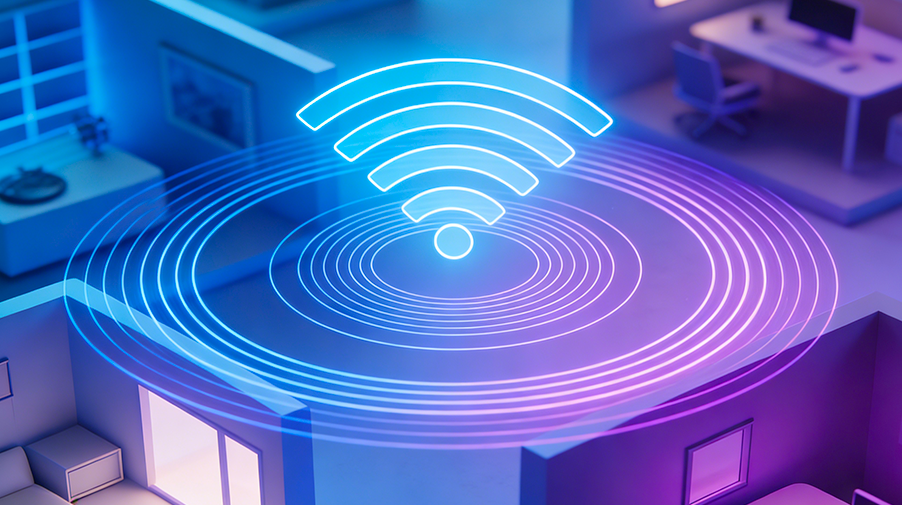
Upgraded Wireless Experience
Wi-Fi 7 full-scenario coverage

Upgraded Bandwidth Experience
High-bandwidth support with multi-rate switches

Upgraded O&M Experience
Unified wired & wireless management with visualized devices
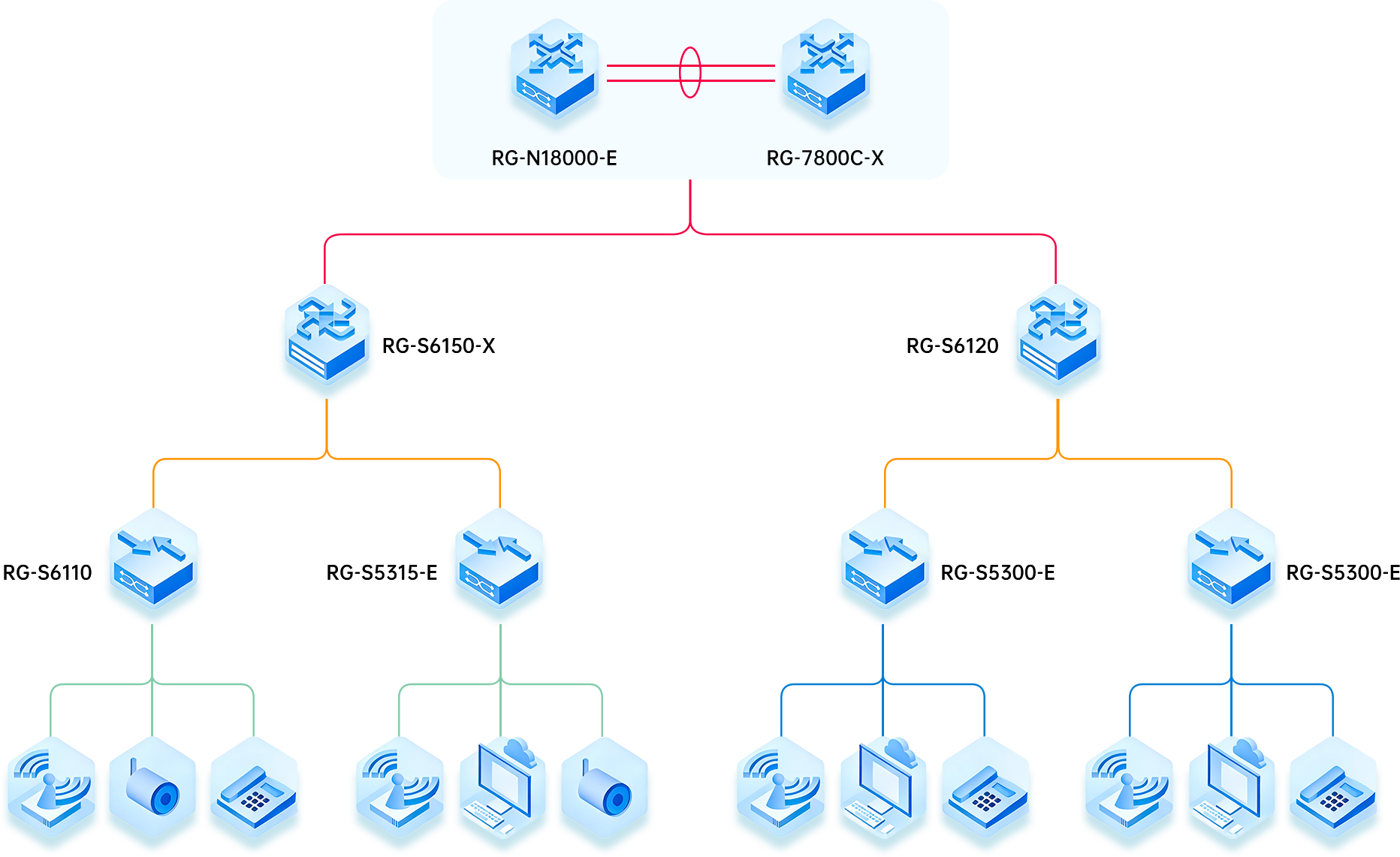
Solution Architecture
- 40G / 100G Fiber Optic
- 10G Fiber Optic
- 2.5G Twisted Pair (Ethernet)
- Gigabit Twisted Pair (Ethernet)
Success Cases
Network integration for a dual-node GPU inference private cloud of an Internet customer
Network integration for the Tokyo node of a cloud gaming platform
Network integration for a customer’s private cloud business platform
……